



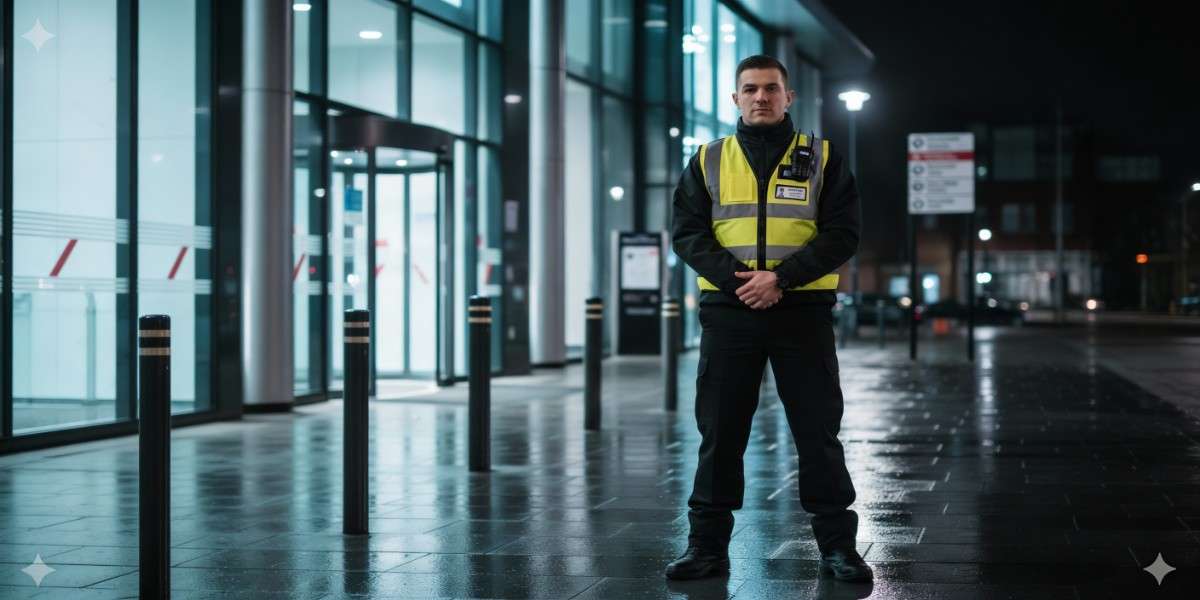
Navigating the path to becoming a licensed security professional in the UK can feel complex, especially if you’re concerned about a past mistake. A common question we hear is, “Can I get an SIA licence with a criminal record?”
The short answer is: it depends. While the Security Industry Authority (SIA) has a duty to protect the public, a criminal record doesn’t automatically mean your application will be rejected.
This guide provides a clear overview of the SIA’s updated approach to criminal records. With significant changes effective from 1 December 2025, we will break down the new criminal record check process, explain how different offences are assessed, and offer practical steps to present the strongest possible application. Understanding these rules is the first step towards a successful career in the security industry, even if you have a conviction in your past.
For a comprehensive overview of the entire licensing process, see our main SIA Licensing Guide.
Key Takeaways
- Not an automatic bar: The SIA decides case-by-case (offence, sentence, time since).
- Full disclosure required: Declare all convictions/cautions (spent and unspent); SIA is exempt from the ROA 1974.
- Dec 2025 changes: More offences now count, including trafficking/modern slavery, domestic abuse, and immigration offences.
- Stricter refusal routes: New “absolute refusal” and “intention to refuse” categories apply to some serious offences.
- Right to appeal: You can challenge a refusal via the SIA, then the courts (Magistrates’/Sheriff).
The SIA’s Goal: Protecting the Public
The Security Industry Authority (SIA) was created to regulate the UK’s private security industry and ensure high standards of professionalism and conduct. Its core mission is to protect the public by making sure that licensed security operatives are “fit and proper” individuals. This “fit and proper” test is not just about skills and training; it’s fundamentally about character and trust.
When the SIA assesses an application, its primary consideration is whether granting a licence to that individual would pose a risk to public safety. This is why the criminal record check is such a critical part of the process. The SIA believes that past behaviour can be an indicator of future conduct, and they have a responsibility to prevent individuals who may be a threat from working in positions of trust and authority.
How the SIA Criminal Record Check Works in 2025
When you apply for an SIA licence, you consent to a comprehensive criminal record check. Crucially, the SIA is exempt from the Rehabilitation of Offenders Act 1974. This means that, unlike most employers, they will see both “spent” and “unspent” convictions. You are legally required to declare your entire criminal record on your application form. Failure to do so is likely to result in an automatic refusal.
As of 1 December 2025, the SIA has implemented significant changes to its criminality criteria. These changes, detailed in the official SIA Get Licensed guide, are designed to enhance public protection. The SIA now considers a wider range of offences, including human trafficking, modern slavery, domestic abuse, immigration, and public order offences. For more information on these updates, see the official SIA licensing criteria page.
Two new refusal categories have been introduced.
- Absolute Refusal applies to the most serious offences—such as being on a sex offenders register or having multiple convictions for sexual or child abuse offences. If you fall into this category, an appeal will only be considered if you can prove the decision was based on incorrect information.
- Intention to Refuse applies to other serious offences, such as a single sexual or child abuse offence, or a custodial sentence of more than 48 months. You can appeal by proving the information is incorrect or by convincing the SIA that you are not a risk to the public.
Additionally, if you have lived outside the UK for 6+ months in the last 10 years (previously 5 years), you must provide a criminal record check from each country.
Will My Conviction Stop Me? A Breakdown of Offences
The SIA uses a points-based system and a set of rules to determine if a conviction will result in a licence refusal. The outcome depends on the sentence you received and how much time has passed since the sentence was completed. The new refusal categories add another layer to this assessment.
| Sentence Type | Rehabilitation Period (Adult) | SIA’s Likely Decision |
|---|---|---|
| Absolute Discharge | Spent immediately | Unlikely to be a barrier |
| Conditional Discharge | Ends when the order ends | Unlikely to be a barrier if conditions are met |
| Fine | 1 year | Depends on the offence and recency |
| Community Order | Ends when the order ends | Depends on the offence and recency |
| Custodial Sentence (up to 1 year) | 1 year after sentence completion | Automatic refusal until a set time has passed |
| Custodial Sentence (1-4 years) | 4 years after sentence completion | Automatic refusal until a set time has passed |
| Custodial Sentence (over 4 years) | 7 years after sentence completion | Automatic refusal until a set time has passed |
This table is a simplified guide. Multiple convictions can lead to a refusal. For example, three or more relevant convictions in the last seven years will likely result in denial, while a single offence from many years ago with a short sentence may not prevent you from obtaining a licence.

How to Approach Your Application if You Have a Record
If you have a criminal record, how you approach your application is crucial. Honesty and transparency are paramount. The SIA values applicants who acknowledge their past and demonstrate genuine change.
Be Completely Honest
Do not try to hide any part of your criminal record. Any attempt to conceal information will be seen as evidence of dishonesty, leading to an almost certain refusal. The SIA is far more likely to consider a licence if you are upfront about your history.
Gather Your Information
Make sure you have accurate details of your convictions, including dates, offences, and sentences. If unsure, you can request a copy of your criminal record from the police.
Provide a Statement of Mitigation
In some cases, the SIA may ask for additional information to provide context for your offences. This is your chance to explain the circumstances, demonstrate remorse, and show how you have changed. The charity Unlock provides guidance on writing a compelling mitigation statement.
What to Do If Your SIA Licence is Refused
Receiving a refusal is not necessarily the end of the road. You have the right to appeal within 21 days of the decision. You should clearly state the grounds for your appeal and provide any new information or evidence that might support your case. If the SIA upholds its decision, you can then appeal to a Magistrates’ Court in England and Wales, or a Sheriff’s Court in Scotland.
A Criminal Record Isn’t Always the End of the Road
Obtaining an SIA licence with a criminal record presents challenges, but it is by no means impossible. The SIA’s process is designed to be fair and to balance public protection with the principle of rehabilitation. By understanding the rules, being honest in your application, and using the resources available, you can navigate the process effectively.
Your past does not have to define your future. If you are committed to a career in security and can demonstrate that you are a trustworthy and responsible individual, a criminal record may just be a hurdle to overcome, not a permanent barrier.
Ready to take the next step in your security career? Train4Security offers a wide range of SIA-approved courses to get you started. Whether you’re interested in becoming a door supervisor or security guard or are exploring other security roles, we have the training you need to succeed.
Book your SIA course today and let us help you achieve your professional goals.